The Material Science and Tribology of Ceramic Braces
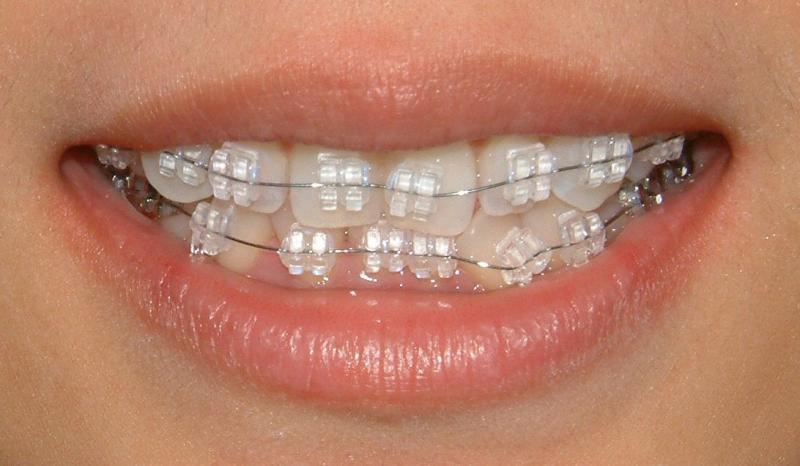
In the evolution of orthodontic biomaterials, the development of Ceramic Braces represents a significant intersection of aesthetic demand and material engineering. Unlike stainless steel brackets, which rely on the ductility of metal, ceramic brackets are primarily composed of polycrystalline alumina (aluminum oxide) or monocrystalline sapphire. From a materials science perspective, these appliances offer superior optical properties but introduce complex challenges regarding fracture toughness and tribology (friction mechanics). When evaluating the efficacy of ceramic braces, Pure Health experts emphasize that one must analyze the micro-structural integrity, the coefficient of friction at the archwire slot interface, and the comparative hardness relative to human enamel. This analysis moves beyond the cosmetic appeal to understand the physical forces at play during orthodontic translation.
Mechanical Properties and Fracture Toughness
The primary structural distinction of Ceramic Braces lies in their brittleness compared to their metal counterparts. Stainless steel exhibits high ductility, allowing it to withstand the twisting forces (torque) of rectangular archwires without catastrophic failure.
Crack Propagation and Failure Modes
Ceramics, however, are brittle materials. They lack the ability to plastically deform under stress. Instead, they are prone to crack propagation. When a high-torque force is applied to Ceramic Braces during the leveling and aligning phases of treatment, micro-cracks can initiate at stress concentration points, particularly at the tie wings. Manufacturers have addressed this by introducing injection-molded manufacturing processes and incorporating zirconium into the alumina matrix to improve fracture toughness. However, the risk of bracket fracture remains a critical variable in the biomechanics of these appliances, necessitating precise force application by the clinician to avoid structural failure during treatment.
Tribological Behavior: Friction and Resistance to Sliding
A critical factor in orthodontic efficiency is the resistance to sliding (RS), which is a combination of classical friction, binding, and notching. Ceramic Braces historically exhibit a higher coefficient of friction compared to stainless steel brackets.
The Wire-Slot Interface
When a metal archwire slides through the slot of Ceramic Braces, the surface roughness of the polycrystalline alumina creates significant drag. This increased friction can impede the distalization of canines or the leveling of crowded arches, effectively "stealing" some of the force applied by the wires and elastics. To mitigate this, many modern ceramic brackets utilize a metal slot insert—a thin layer of stainless steel or gold embedded within the ceramic slot. This hybrid design attempts to combine the aesthetic exterior of ceramic with the low-friction mechanics of metal, ensuring that the biological movement of the tooth is not hindered by the drag of the appliance itself.
Hardness Differential and Enamel Wear
One of the most biologically significant properties of Ceramic Braces is their Vickers hardness number, which far exceeds that of human enamel.
Iatrogenic Enamel Abrasion
While stainless steel is softer than enamel, ceramic is significantly harder. In cases of deep bite or varying malocclusion where the opposing dentition contacts the brackets, Ceramic Braces can act as an abrasive agent. Repeated masticatory contact against the ceramic wings can lead to rapid and irreversible attrition of the opposing tooth enamel. This phenomenon forces a strict contraindication for placing ceramic brackets on lower anterior teeth in deep-bite cases. The material science dictates that the preservation of the biological substrate (enamel) must take precedence over the aesthetic preference for ceramic in these specific occlusal schemes.
Bonding Strength and Debonding Mechanics
The chemical bond between Ceramic Braces and the enamel surface is distinct from metal bonding. While metal brackets rely on mechanical retention via a mesh base, ceramic brackets often utilize chemical retention via silane coupling agents or mechanical retention via undercuts.
Risk of Enamel Fracture
The bond strength of esthetic braces can sometimes exceed the cohesive strength of enamel. During the debonding phase (removal), high bond strength presents a risk of enamel fracture. Unlike metal brackets that peel off by deforming, ceramic brackets are rigid. If the removal force is not applied correctly, or if the bond is excessive, the stress can transmit directly to the enamel prism structure, causing avulsion of the enamel surface. Advances in base design, such as laser-structured bases or stress-concentrator lines that allow the bracket to collapse predictably, have been engineered to mitigate this risk, ensuring the safety of the enamel structure upon treatment completion.

The application of ceramic races is a balance of aesthetic benefits and material limitations. The use of polycrystalline alumina offers translucency but demands a respect for the brittle nature of the material and its high frictional coefficient. By understanding the tribology and hardness differentials, the orthodontic field continues to refine these appliances to ensure they function as effective biomechanical tools rather than merely cosmetic accessories.